What to watch for on the Škoda Superb
CarnadoCarnado team
People buy the Superb for the space at a reasonable price. But the used market has many ex-company cars with high mileage and a higher spec that needs trying out. Technically it is related to the Passat and the Octavia, so some of the notes apply to them too. This is a general overview of what comes up for the individual generations. It is not fault statistics, it is a list of what to ask. Always check a specific car against the pre-purchase checklist.
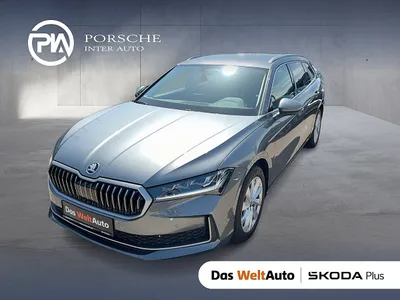
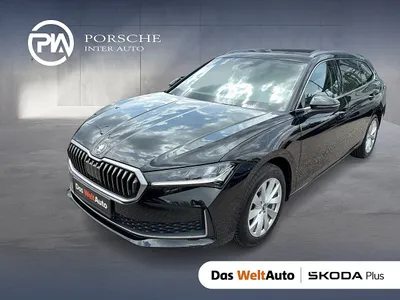
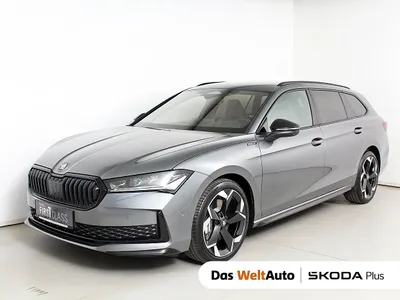
Generations. Superb I (2001–2008, built on the Passat of the time), Superb II (2008–2015, a liftback with the Twindoor two-way boot lid and an estate from 2009), Superb III (2015–2023) and Superb IV (from 2024).
Superb I. Today mostly cheap cars with high mileage. The six-cylinder 2.5 TDI is known on some engines for camshaft and injection pump problems, and repairs are not cheap. The four-cylinder 1.9 TDI is usually the simpler choice. On all of them expect rust and suspension wear to match the age.
Diesels (Superb II and III).
- The 2.0 TDI with pump-injector units (early Superb II) has cylinder head and oil pump drive problems on some engines.
- The common-rail 1.6 TDI and 2.0 TDI are the most common. Watch the particulate filter, EGR, injectors and dual-mass flywheel. On newer engines with AdBlue ask about SCR system faults.
- Ask for the timing belt and water pump to be documented by an invoice.
Petrol engines. 1.4 TSI, 1.8 TSI and 2.0 TSI. On some older 1.8 TSI and 2.0 TSI engines owners deal with oil consumption, and on older chain-driven TSIs with chain stretch. The newer 1.4 and 1.5 TSI from the EA211 family have a belt. The six-cylinder 3.6 FSI in the Superb II is rare and calls for an experienced technician when buying.
DSG. Stronger engines come with a six-speed or seven-speed DSG with wet clutches, which needs an oil change at the prescribed interval. Weaker engines may have the seven-speed with dry clutches, where some cars suffer judder when pulling away and mechatronic unit problems. On the test drive try slow creeping and a hill start.
4×4. The 4×4 versions have a Haldex clutch. It needs an oil change and, on some generations, a filter change, otherwise it may stop engaging the rear axle. You can't tell on a dry road, so ask for the invoice.
Twindoor and equipment. On the Superb II liftback try opening the boot lid in both modes, the whole lid and just the small one. Try the electric boot lid, the electric parking brake (Superb III), navigation, cameras, heating, seat ventilation and adaptive cruise control. On an estate check that the sunroof area and the boot don't leak.
Mileage and history. Former company cars often have franchised-garage servicing, but also drivers who didn't spare the car. Check that the mileage matches the wear on the driver's seat and steering wheel, and on leased cars that they aren't pledged.
Current offer and prices. The page Used Škoda Superb shows how many Superbs are on offer and for how much. You find the price development in Price trends.
Do you drive a Superb? Write the generation, engine, gearbox and mileage and what you dealt with. Experiences with high mileage and with the DSG are the most useful for others.