Contents
Cars from the late 1990s and 2000s are where the classic market is moving now. Prices of the best-known ones have started climbing, but plenty of good examples still cost less than a new city car. We picked ten that you can buy for under €10,000 in Czechia, Slovakia, Poland, Germany and Austria, and each button below opens that search on Carnado with the make, years and price cap already filled in.
The prices are approximate asking prices for cars in usable condition, as listed in November 2026. Truly clean examples with full history often sit above them.
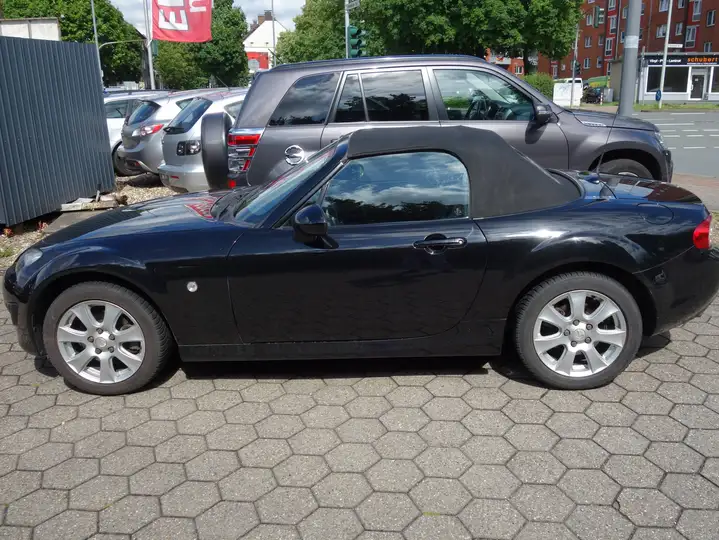
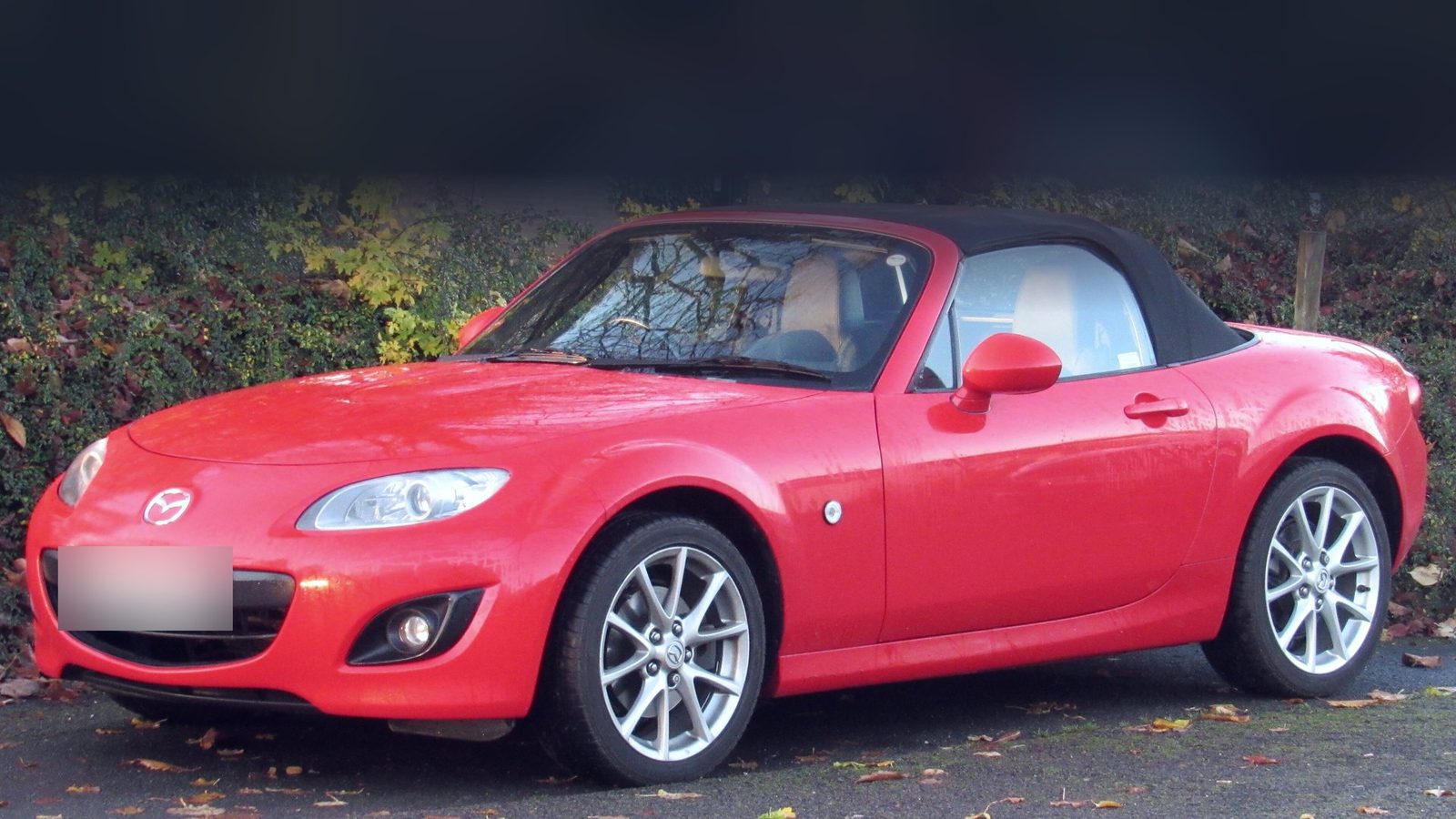
Mazda MX-5 NC (2005–2015)
The third-generation MX-5 is heavier than the original but still weighs about 1,100 kg, and the 2.0 with the six-speed manual is the one to have. Clean NA cars from the early 90s already cost more than a good NC, which tells you where this one is heading. Look under the sills and rear arches, and pour water into the soft-top drain channels: a blocked drain rusts the floor from inside.
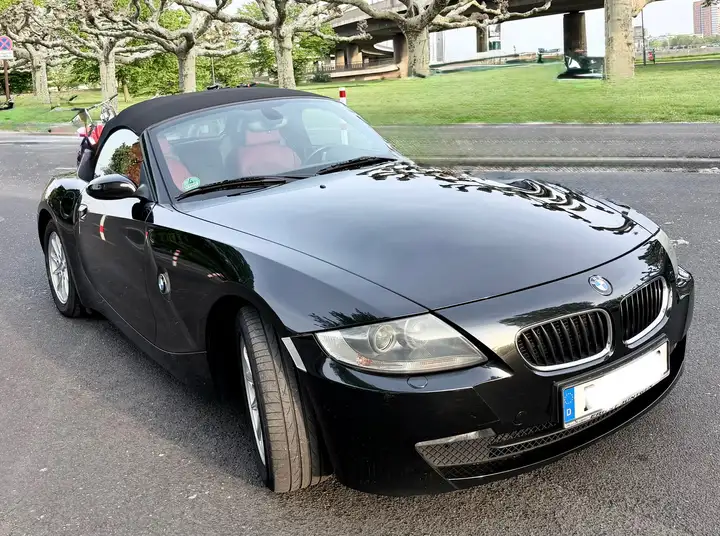
BMW Z4 E85 (2002–2008)
A long bonnet, a straight six and rear-wheel drive for the price of a tired family hatchback. Go for the 2.5i or 3.0i rather than the four-cylinder 2.0i, which sounds like any other BMW of the time. The electric power steering column can fail and the hood hydraulics leak, so test both before you shake hands.
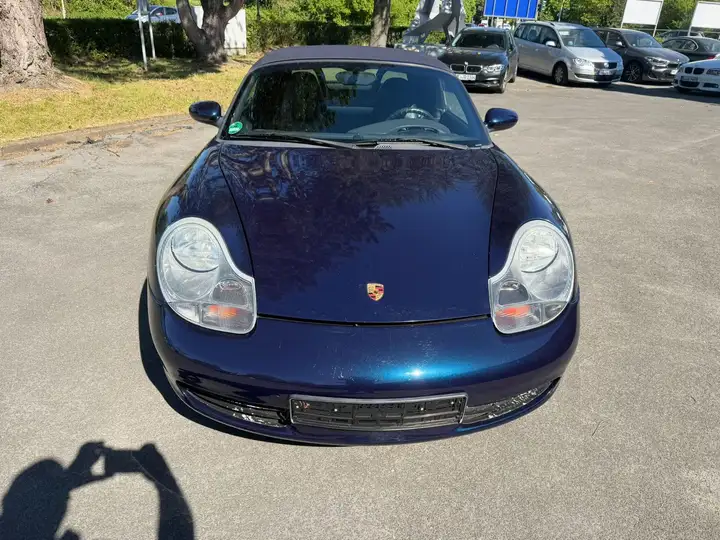
Porsche Boxster 986 (1996–2004)
The cheapest way into a mid-engined Porsche, and the only car on this list where €10,000 is the floor rather than the ceiling. Under the cap you'll mostly find the 2.5 and 2.7 with high mileage. Ask whether the IMS bearing has been replaced; if the seller doesn't know what that is, budget roughly €1,500 to €2,000 to have it done.
Audi TT 8N (1998–2006)
The Bauhaus shape has aged better than almost anything else from 1998, and there are hundreds for sale across the region. The 1.8T with 180 or 225 hp and quattro is the usual buy; the 3.2 V6 with the DSG is rarer and noticeably dearer. Check that the dashboard display has no dead pixels and that the Haldex coupling has had its oil changed.
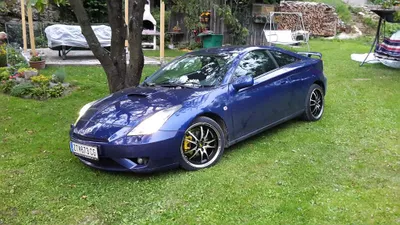
Toyota Celica T23 (1999–2006)
The last Celica, and the last proper small Toyota coupé before the GT86. The 190 hp 1.8 VVTL-i revs past 8,000 rpm, while the 143 hp version is calmer and easier to find. Both engines can burn oil as they age, so ask how much it takes between services and look behind the rear wheels for rust.
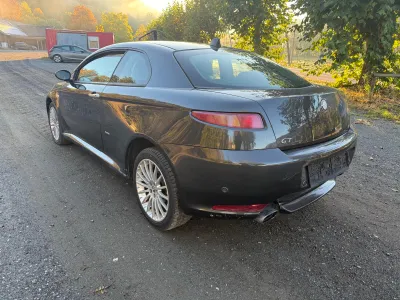
Alfa Romeo GT (2003–2010)
Bertone drew it, and it seats four adults better than you'd expect from the roofline. The 3.2 V6 is the collector's pick; the 1.9 JTDm is the one that makes sense if you drive it every day. Timing belt history matters on every engine, and the front suspension arms wear out quickly on broken roads.
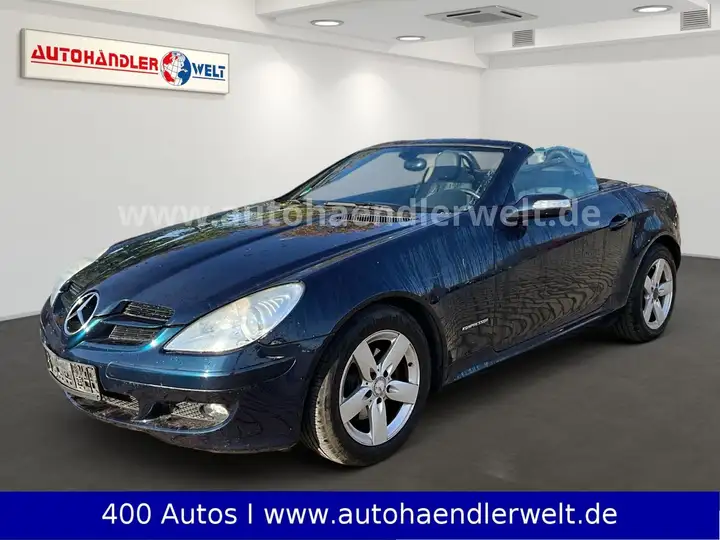
Mercedes-Benz SLK R171 (2004–2011)
A folding metal roof turns it into a coupé for winter, which makes it an easier year-round car than most roadsters here. The SLK 350 is the one with a future; on cars built before mid-2006, ask about the balance shaft gear in the V6, a known and expensive fault. Run the roof up and down a few times and listen for a slow or stuttering pump.
Volkswagen Golf V GTI (2004–2008)
The Golf that put the GTI back on track after two soft generations: 200 hp, tartan seats and a chassis that still feels quick. Unmodified cars are getting hard to find, and those are the ones that will hold value. On the 2.0 TFSI check the high-pressure fuel pump cam follower, and with the DSG ask whether the mechatronic unit has been repaired.
Renault Clio RS III (2006–2012)
A 2.0 naturally aspirated engine with around 200 hp in a small hatchback, the kind of car manufacturers stopped making. There aren't many for sale, so be ready to travel. Plenty have seen track days, so look for uneven tyre wear and ask for the timing belt and water pump receipts.
Peugeot 406 Coupé (1997–2004)
Pininfarina designed it and built it in its own factory, which is why it still looks like a much more expensive Italian car. The 3.0 V6 suits it best. Mechanical parts are easy to get, trim and body panels much less so, so walk away from a car with a damaged bumper or broken interior pieces.
Before you buy any of them
A future classic is still a 15 to 25 year old car. Pay for an inspection at an independent garage that knows the brand, check the VIN history, and treat a thick folder of service receipts as part of the price. A cheaper car without history usually ends up costing more than a dearer one with it.

The Carnado team
We run Carnado, the search engine for used cars from European portals. We write from what we see in those ads every day and from buying cars ourselves.